Hydrilla on Lake Tillery
Hydrilla has been documented on Tillery since 2006. Here’s the agency record and how to report a sighting.
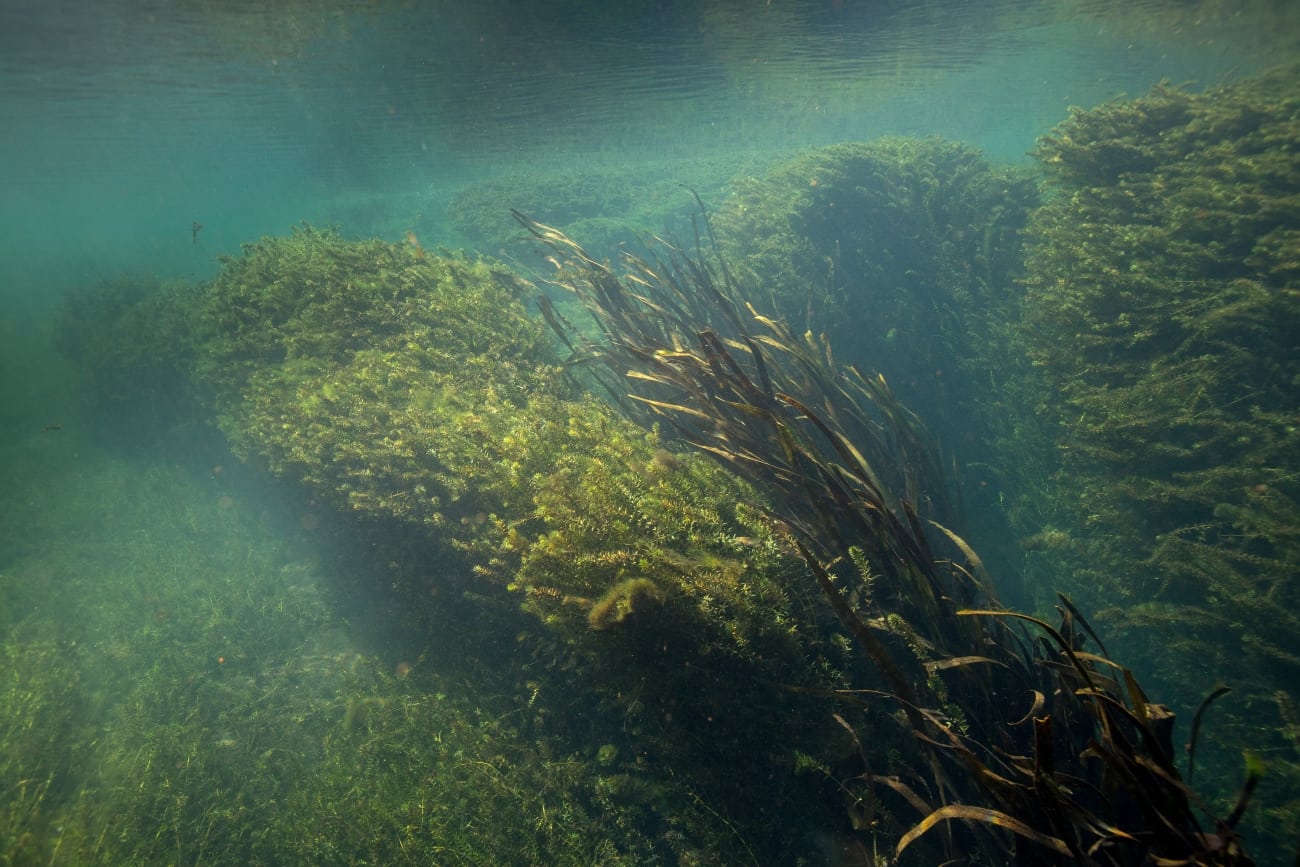
What’s been documented
NC DEQ first documented hydrilla near Swift Island in 2006. Physical samples and sonar help map the plants and guide treatment.
The project’s latest public treatment narrative is for 2024: 43 acres treated with herbicide and 3,688 sterile grass carp stocked. These are dated management figures, not a 2026 plant map.
NC DEQ’s Tillery project recordHow it’s managed
Treatment depends on the plant and site. Sterile grass carp can eat native vegetation as well as hydrilla, and herbicide work can carry water-use restrictions. Follow the actual treatment notice.
NC DEQ management guidanceWhat boaters can do
Clean plant material from boats, trailers and equipment, drain water and let equipment dry before visiting another waterbody. Don’t cut up or move unfamiliar plants: fragments can spread them.
Boating and prevention guidanceReporting
Report an aquatic-weed sighting to NC DEQ. Record the location and follow the form’s identification instructions.
NC DEQ sources checked October 3, 2026.